
 |
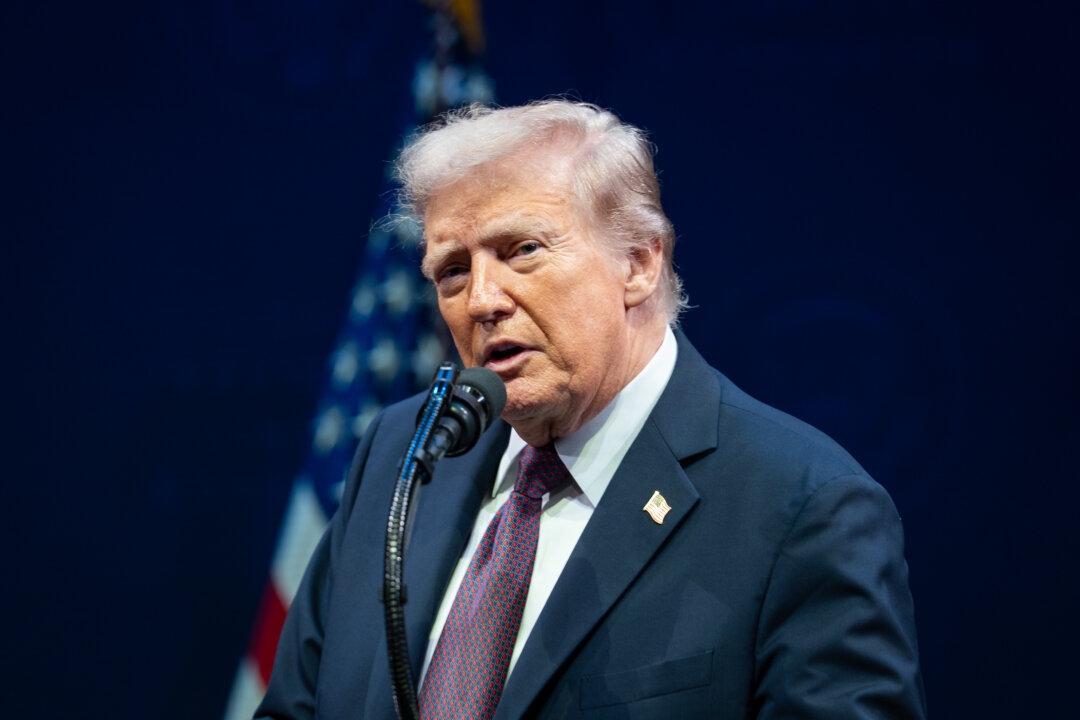
| President Donald Trump speaks to the Religious Liberty Commission at the Museum of the Bible in Washington on Sept. 8, 2025. Madalina Kilroy/The Epoch Time/theepochtimes.com |
Appeals Court Orders Dismissal of Lawsuit Over Trump-Era Layoffs
Introduction: A Landmark Judicial Decision
The United States Court of Appeals has directed the dismissal of a lawsuit that challenged layoffs during the Trump administration, marking a significant legal development. This decision reinforces judicial precedent regarding executive authority in labor and employment matters while also clarifying the limits of litigation against federal employment policies.
Background: The Origin of the Legal Challenge
The lawsuit stemmed from claims that layoffs tied to Trump-era directives disproportionately harmed workers in certain sectors. Plaintiffs argued that the administration overstepped its legal authority by accelerating workforce reductions without adequate consultation or protections.
The case was brought before lower courts, which initially allowed the claims to proceed. However, the appeals court has now overturned those decisions, citing lack of standing and jurisdictional barriers.
Appeals Court Ruling: Key Legal Reasoning
The appeals court’s decision rests on several crucial findings:
-
Lack of Standing – The plaintiffs could not establish direct, legally recognizable harm that would warrant judicial review.
-
Executive Discretion – The court reaffirmed that the executive branch has wide latitude in restructuring and reducing government employment.
-
Procedural Compliance – The administration’s actions, though controversial, did not breach federal statutory requirements governing layoffs and workforce reductions.
Implications for Federal Employment Law
The ruling carries far-reaching consequences:
-
Precedent for Future Cases: Courts may now be less receptive to lawsuits challenging executive workforce decisions.
-
Executive Authority Strengthened: The administration’s discretion in managing federal employment has been reaffirmed.
-
Reduced Legal Pathways for Workers: Employees affected by broad policy layoffs may face narrower legal recourse in the future.
Political and Economic Impact
While the ruling is legal in nature, it carries political and economic undertones:
-
Political Debate: The decision is likely to reignite partisan arguments about executive overreach and labor rights.
-
Workforce Stability: Federal employees may perceive increased vulnerability to mass layoffs under future administrations.
-
Economic Ripple Effects: Layoffs in government sectors often influence private contractors and regional economies dependent on federal projects.
Reactions from Stakeholders
-
Labor Unions: Worker advocacy groups have expressed disappointment, warning that the ruling weakens employee protections.
-
Administration Allies: Supporters argue the ruling validates the necessity of flexibility in federal employment policy.
-
Legal Scholars: Analysts note that the decision could discourage similar lawsuits, emphasizing the uphill battle of challenging executive workforce restructuring.
Looking Ahead: What This Means for Future Administrations
The appeals court’s dismissal establishes a judicial roadmap for how similar disputes may be resolved going forward. Future presidents may feel emboldened to enact workforce changes more aggressively, knowing courts are reluctant to intervene. At the same time, lawmakers may face mounting pressure to revisit statutory safeguards to protect federal employees from abrupt layoffs.
Conclusion: A Defining Ruling in Executive Employment Authority
The dismissal of the lawsuit underscores the judiciary’s deference to executive power in matters of workforce restructuring. While the ruling provides clarity, it also raises profound questions about the balance between labor protections and executive discretion. Its impact will likely reverberate across labor policy, politics, and federal workforce stability for years to come.



0 Comments