
Trump Administration Seeks Supreme Court Approval to Withhold Foreign Aid Funds
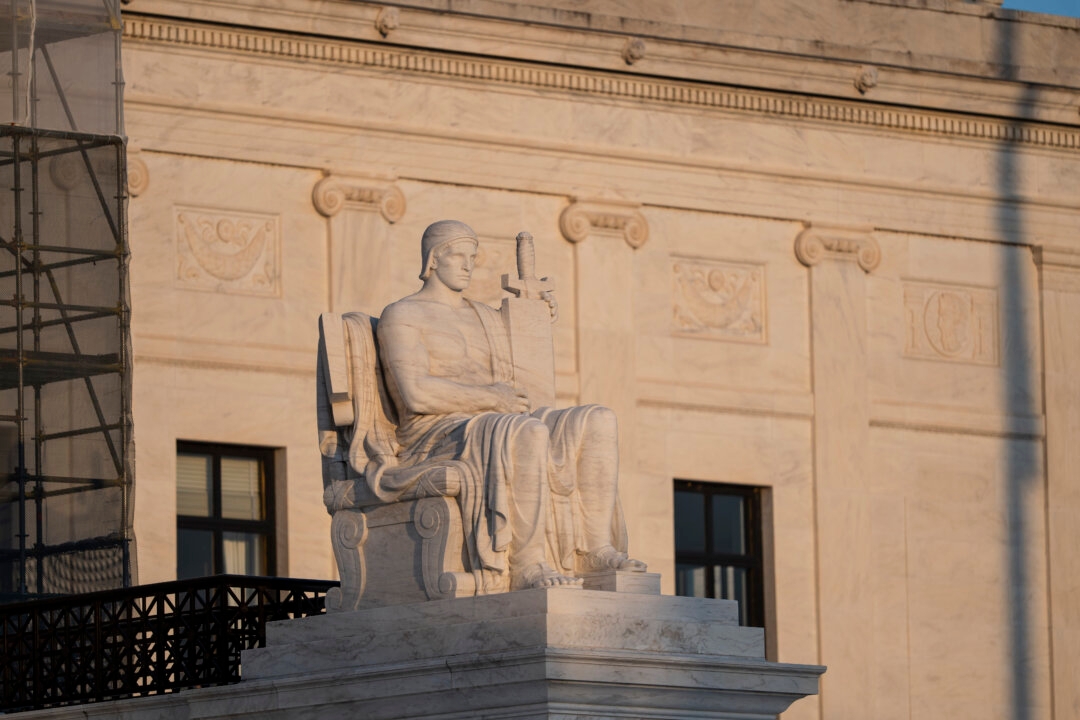 |
| Authority of Law statue at the U.S. Supreme Court in Washington on Aug. 8, 2025. Madalina Kilroy/The Epoch Times |
Escalation in Foreign Aid Dispute
The Trump administration has formally requested the Supreme Court’s authorization to withhold foreign aid funds, intensifying an ongoing dispute between the executive branch and Congress. The request centers on the administration’s authority to delay or redirect funds appropriated by Congress for international assistance programs, raising significant questions about separation of powers and fiscal oversight.
Scope of the Withheld Foreign Aid
The funds in question are part of the foreign assistance budget allocated for:
-
Military aid to allied nations.
-
Economic development programs in emerging economies.
-
Humanitarian relief efforts in conflict zones.
-
Global health initiatives, including vaccination and disease prevention programs.
The administration argues that strategic reassessment and conditional withholding are necessary to ensure funds align with national interests and security priorities.
Legal Framework and Executive Authority
The Supreme Court is being asked to interpret executive authority under the Constitution, specifically:
-
Presidential discretion over appropriated funds.
-
Impoundment Control Act compliance, which restricts the executive’s ability to delay or withhold spending without Congressional approval.
-
Precedent cases involving the balance of power between Congress’s “power of the purse” and the president’s executive duties.
Legal scholars note that a ruling in favor of the administration could set a landmark precedent, potentially expanding executive control over foreign aid allocations.
Political Implications of Withholding Foreign Aid
Congressional Concerns
Members of Congress have expressed alarm over potential precedent-setting decisions that could erode legislative authority. Democrats and some Republicans emphasize that foreign aid funding is a legislative prerogative and that unilateral executive action undermines democratic checks and balances.
International Repercussions
Withholding aid can affect U.S. credibility abroad, impacting alliances and ongoing international programs. Recipients of delayed funding face potential economic instability, reduced humanitarian support, and strained diplomatic relations.
Domestic Policy Reactions
Domestically, the decision has triggered debates on fiscal accountability and the role of Congress in overseeing national expenditure. Advocacy groups argue that foreign aid transparency and timely disbursement are essential for U.S. strategic interests.
Economic and Strategic Considerations
National Security Implications
Some administration officials argue that conditional withholding strengthens leverage in negotiations with foreign governments, ensuring that U.S. funds achieve measurable security and policy outcomes.
Global Development Impact
Delays in foreign aid can disrupt development projects, including infrastructure, healthcare, and educational programs in emerging nations. Economists warn that prolonged withholding may undermine long-term U.S. influence in key regions.
Risk Assessment
The uncertainty surrounding fund disbursement introduces risks for international contractors, NGOs, and multilateral organizations dependent on U.S. contributions. Financial planning and program execution are severely affected, resulting in project delays and budgetary adjustments.
Supreme Court Considerations
The Supreme Court will evaluate several critical factors:
-
Extent of presidential authority over appropriated funds.
-
Impact on Congressional “power of the purse”.
-
Legal compliance with existing federal statutes governing impoundment and budgetary oversight.
-
Potential precedent-setting ramifications affecting future executive-legislative interactions.
Legal analysts predict that the case may require rapid yet thorough examination due to the urgency of foreign aid commitments and international obligations.
Conclusion – High Stakes for U.S. Fiscal and Diplomatic Policy
The Trump administration’s request to withhold foreign aid funds represents a significant constitutional and political confrontation. The outcome will influence not only U.S. domestic fiscal policy but also international relations and global development programs. Timely resolution is critical to ensure that U.S. funds are both strategically deployed and consistent with legislative mandates.
This case will likely define the limits of executive authority over appropriated funds for years to come, shaping the balance of power between Congress and the presidency in the realm of foreign aid and beyond.



0 Comments